
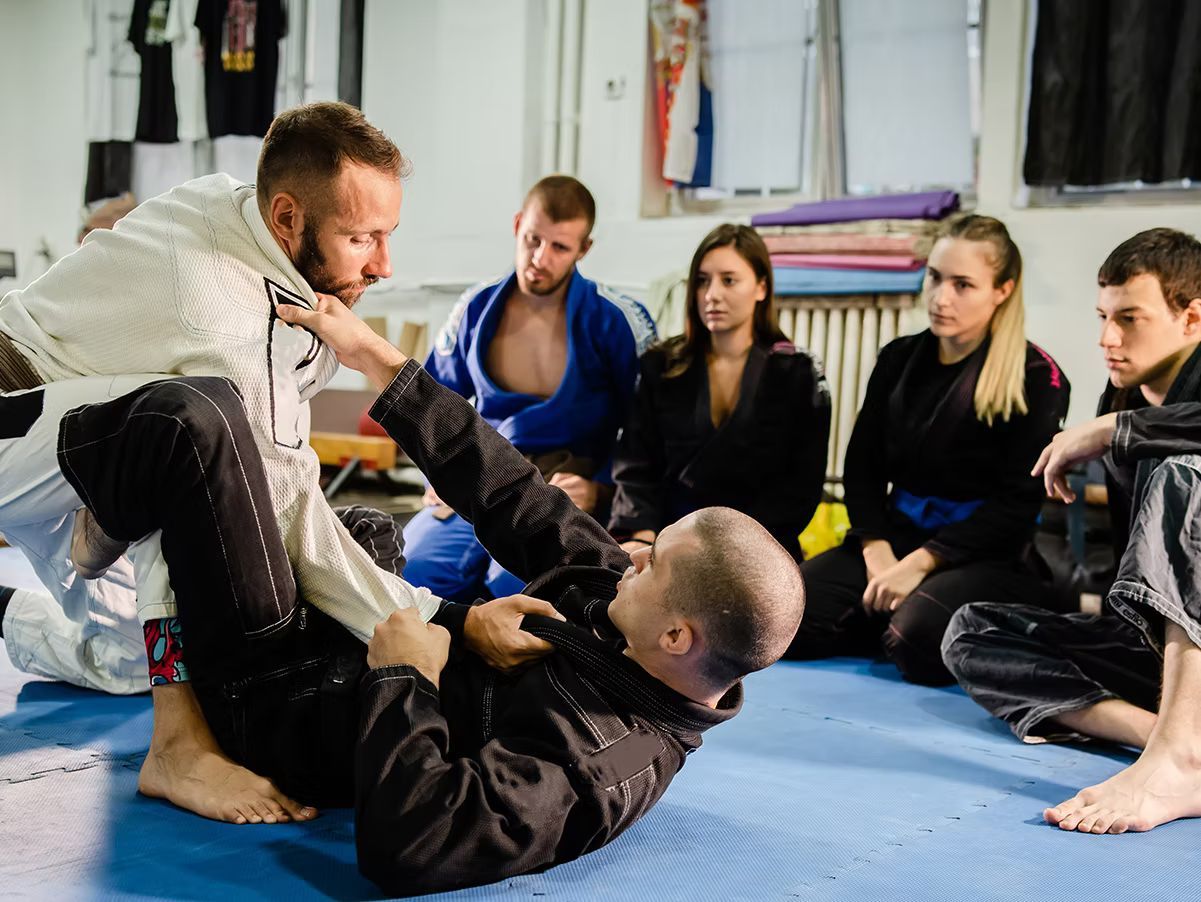
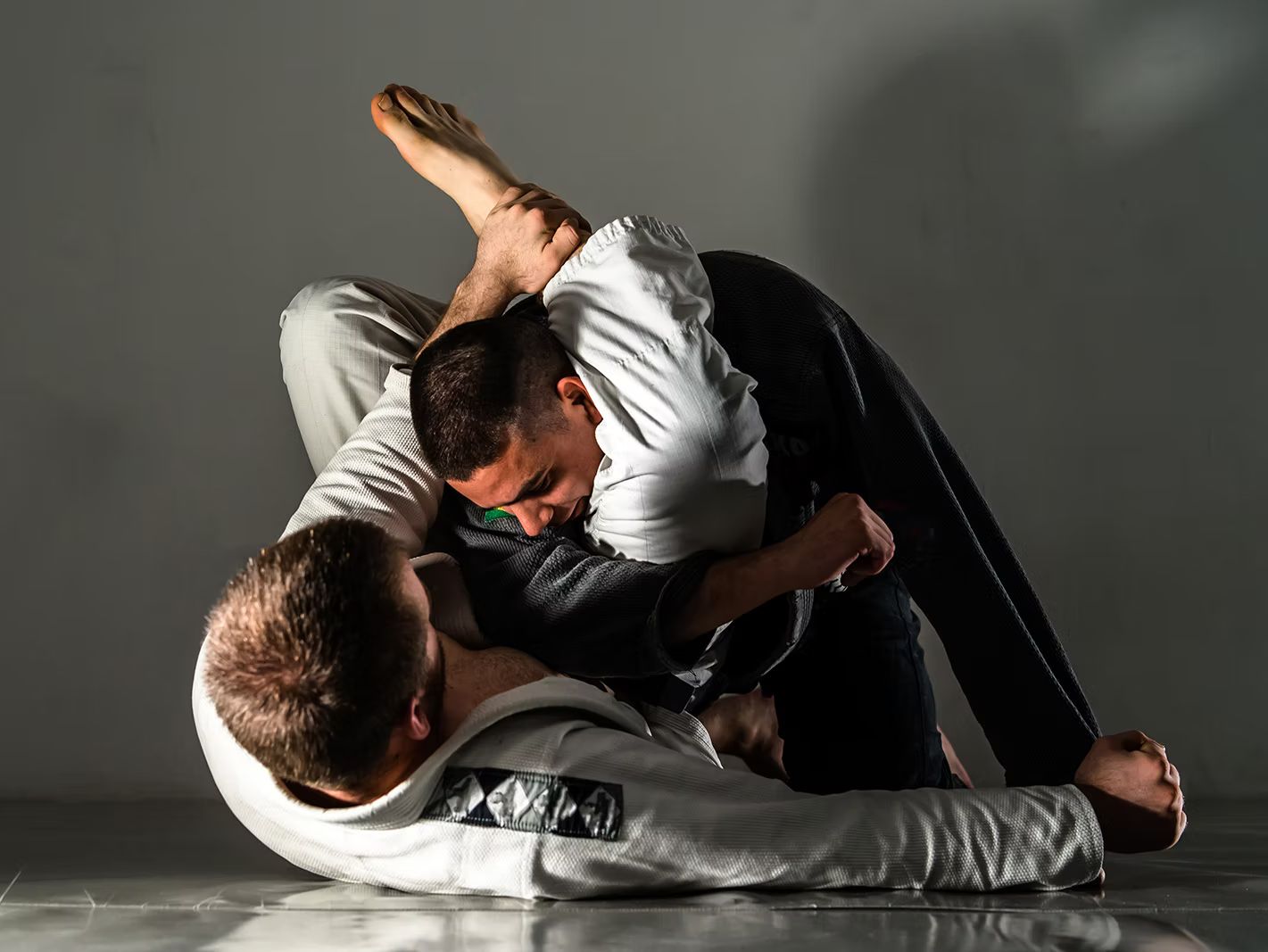
Introduction: When the time comes to step onto the mat for a Jiu-Jitsu tournament, every ounce of preparation matters. Whether you're a novice about to participate in your first event or a seasoned competitor ready to face your rivals, success in Jiu-Jitsu depends as much on your training regimen as it does on your mental resilience. In this blog post, we guide you through every aspect of preparing for a Jiu-Jitsu tournament, from physical training to dietary adjustments and psychological strategies, setting you on the path to victory. Part 1: Physical Preparation for a Jiu-Jitsu Tournament Building Your Strength and Conditioning: Jiu-Jitsu strength training is pivotal in ensuring you can maintain intensity throughout a grueling match. Functional strength workouts involving movements similar to Jiu-Jitsu techniques help develop the necessary endurance and power. These exercises help improve your grappling prowess, enabling you to execute challenging moves effectively. Honing Your Technique: Jiu-Jitsu techniques form the core of your performance during a tournament. Regular practice on the mat is essential to perfect your maneuvers. Identify your weak areas and put extra emphasis on them during training while consolidating your strengths. This balanced approach ensures a holistic skill set, preparing you to handle a range of opponents. Part 2: Mental Preparation for a Jiu-Jitsu Tournament Visualization Techniques: Jiu-Jitsu visualization techniques can be powerful mental tools. Visualizing scenarios where you flawlessly execute moves, effectively counter your opponent's attacks, and eventually win, can enhance your self-belief and mental readiness. Stress and Anxiety Management: Jiu-Jitsu anxiety management is a skill often underestimated in its importance. The pressure of a competition can trigger anxiety, which can undermine your performance if uncontrolled. Integrating techniques such as deep breathing, mindfulness, and meditation into your routine can help keep stress in check and ensure mental clarity during a match. Part 3: Dietary and Lifestyle Changes Proper Nutrition: The role of nutrition for Jiu-Jitsu competitors cannot be understated. A well-rounded diet, rich in lean proteins, complex carbohydrates, and healthy fats, provides the energy needed for intensive training and aids in recovery. Hydrating fluids are also crucial to replace lost fluids and maintain performance. Adequate Rest and Recovery: Rest and recovery for Jiu-Jitsu athletes is a critical but often overlooked aspect of preparation. Quality sleep and adequate rest between training sessions allow your body to recover, rebuild, and grow stronger. It's during rest that the real benefits of training and nutrition are realized. Conclusion: Preparing for a Jiu-Jitsu tournament is a journey that requires a holistic approach. It's not only about how hard you train, but also how well you recover, what you eat, and how you condition your mind. With the guidelines mentioned above, you can confidently face any challenge on the mat. Call to Action: Are you ready to master the mat? Embark on your journey towards success in your next Jiu-Jitsu tournament by implementing these strategies. If you found this guide helpful, share it with your fellow competitors and together, let's elevate the world of Jiu-Jitsu!
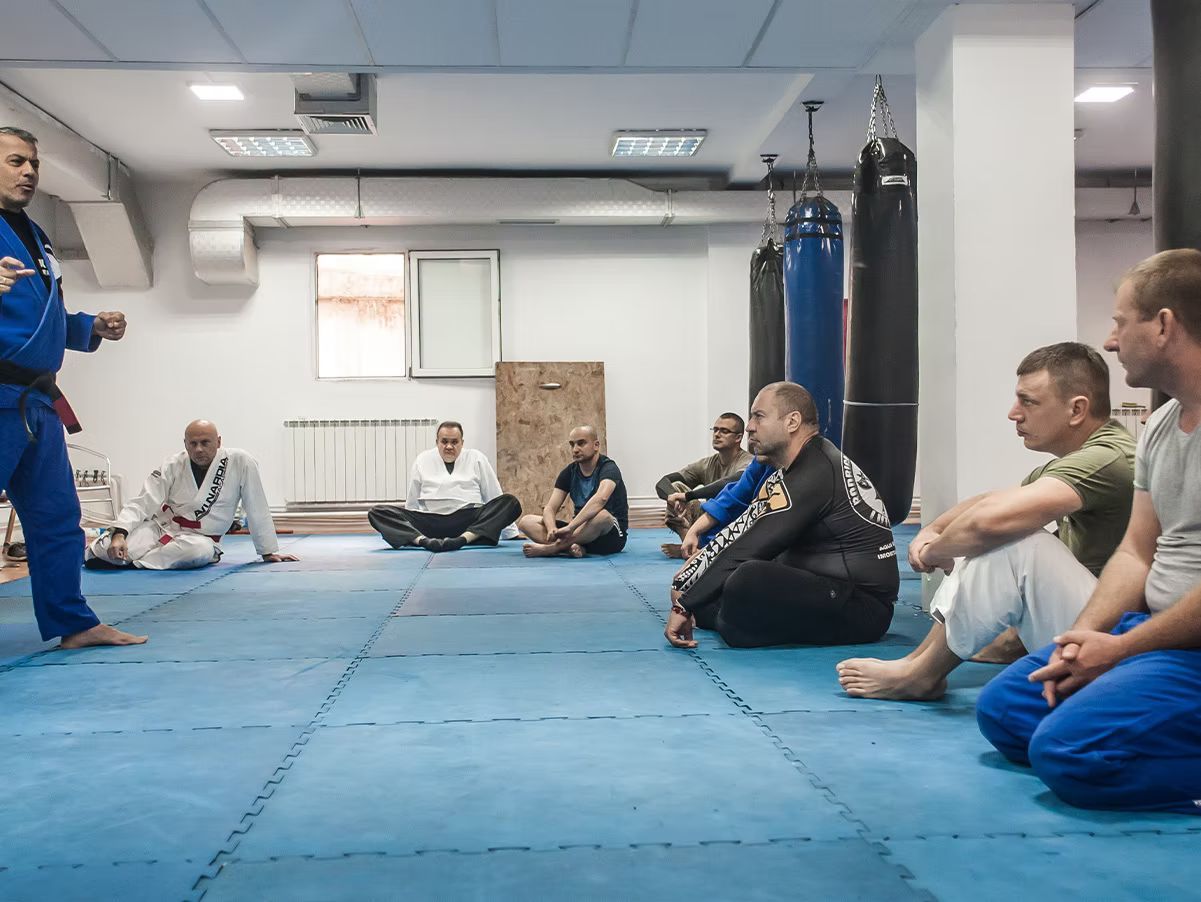
Starting Brazilian Jiu Jitsu (BJJ) can be a thrilling and rewarding experience. BJJ is a martial art that emphasizes ground fighting and submission holds, and it has become increasingly popular in recent years due to its effectiveness in mixed martial arts competitions. If you're thinking about starting BJJ, here are a few things you should know: Find a good school: Look for a BJJ school that has experienced instructors and a positive, supportive environment. It's important to find a school that fits your needs and goals. Get the right gear: You'll need a gi (uniform) and a belt to start training in BJJ. Make sure to get a gi that fits well and is made of durable material. You may also want to invest in some protective gear, such as a mouthguard and a groin protector. Don't be intimidated: It's normal to feel a little nervous when starting something new, but try not to let that hold you back. Everyone was a beginner at some point, and most BJJ schools are welcoming and supportive of new students. Expect to get tapped out: BJJ is all about submission holds, so you'll likely find yourself getting tapped out (submitting) a lot when you first start training. This is normal and is actually a key part of the learning process. Just keep training and you'll get better over time. Stay committed: BJJ is a challenging martial art, and it can take years to become proficient. It's important to stay committed and keep training regularly if you want to see progress. Starting BJJ can be intimidating, but it's also a lot of fun and can be a great way to get in shape, learn self-defense, and meet new people. With the right mindset and a good school, you'll be on your way to becoming a skilled BJJ practitioner in no time.